Daichen Metal

Aluminum · MOQ from 1,000

Five suppliers.
Five people to chase.
One contact instead.

Tooling, casting, CNC, deburring, finishing — one person coordinates all five. You brief once. We handle the handoffs where projects die.

PART CAST BRACKET MATL AL ALLOY — TBD AT DFM PROCESS GRAVITY / HPDC QTY 1,000 MIN A A 184.0 ⌀52 H7 Ra 1.6 — MACHINED SURFACE ONLY. as-cast is rougher SECTION A-A DRAFT 3° on the mold — for clean release 3.0 as-cast wall — drives porosity risk NOTES 1. Draft angle and wall thickness are mold-side specs. Set at DFM, before steel is cut. 2. Surface finish callouts apply to machined faces only — never to as-cast surfaces. 3. Deburr all edges prior to machining. Flash tracked against mold condition.
Minimum order
1,000 pcs
Mold fabrication
60–90 days
Vendors to contacts
5 → 1
On the factory floor
20 yrs

The timeline

Real numbers, phase by phase

Most quotes give you one number and no breakdown. A number without a breakdown isn't a timeline — it's a hope. Here's ours, drawn to scale.

week 0 4 8 12 16 20 24
01

Reverse engineering

Only if you have no drawing or CAD file

3–4 weeks
02

DFM review

Before any steel gets cut

Varies
03

3D print check

You hold the part before any steel is cut

Varies
04

Mold fabrication

The longest single phase — watch this one

60–90 days
05

Post-trial correction

After the first trial shot

3–4 weeks
06

Surface finishing

Final stage before shipment

1–2 weeks
07

Mass production

Once the process is proven

Varies
fastest realistic case how far it can slip no fixed number — depends on your part

Mold fabrication is most of your schedule — that's the phase to watch. The three dashed bars have no end point on purpose: DFM, the 3D print and mass production all genuinely depend on your part. A shop that gives you a confident number for those before seeing it is guessing at you, not estimating for you.

Why it matters

What the coordination actually costs you

Splitting the chain across five vendors doesn't save money. It moves the coordination onto your desk, twelve hours from the factory floor.

Five separate vendors One integrator
Who you email when a date slips Five separate shops, each blaming the one upstream One person, who already knows what the other four are doing
Who owns the DFM decision Nobody — each vendor optimizes their own step Decided once, up front, against every downstream process
What happens when a part fails inspection A round of finger-pointing you have to referee We find the cause and tell you which stage it came from
Who eats the coordination work You do, at 2am, across a 12-hour time gap We do — that is the actual service
Racks of CNC tool holders in a machine shop
One of the machine shops behind that single point of contact

Who you're actually talking to

Daichen, founder of Daichen Metal
Daichen — 20 years, most of them on a factory floor

I came up on the foundry floor

My first job in this industry was inside a casting plant. That's where you learn which mold shops are genuinely good, and which ones just quote well.

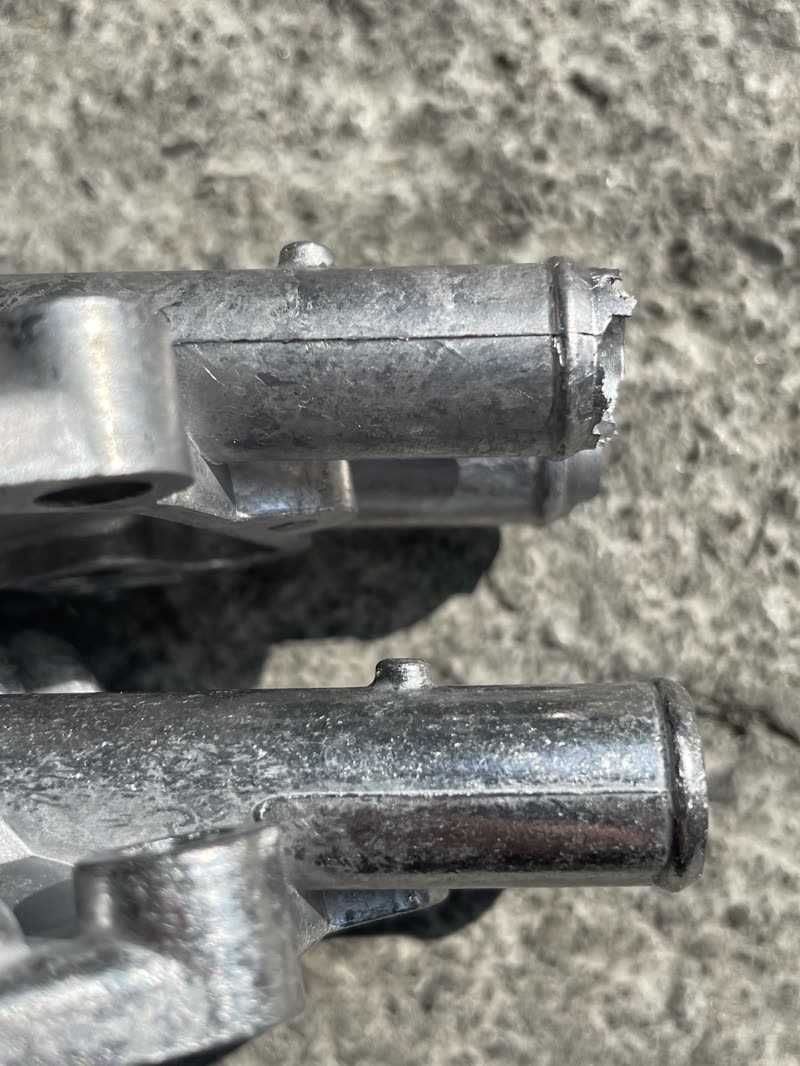
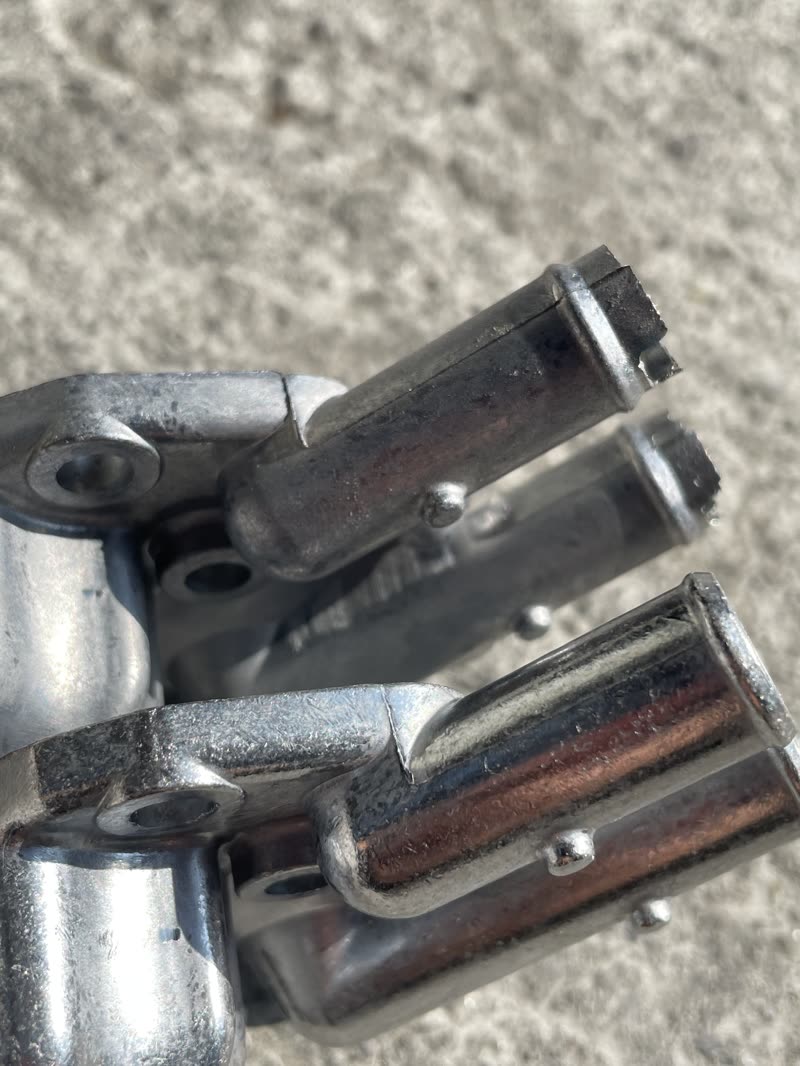
My family's business is deburring. It's the stage most people skip over when they're getting a quote, and it's one of the things that decides your yield more than anything else.

These shops might look small. What runs through them is work for large companies, shipping to their major clients. That standard doesn't drop because your order starts at 1,000 pieces.

Twenty years in, the thing I'd tell anyone starting out is the same thing that got me here — don't be afraid of getting it wrong. The mistakes are where the actual skill comes from.

Before you ask

Things most factories won't put on their website

You'll find this out eventually. Now is cheaper.

We won't quote off a sample from a brand-new mold

A mold wears. Quote off a fresh-mold sample and the number is already wrong before production starts. We learned that the expensive way.

Cheap and high-quality at the same time gets a no

There's a floor we won't quote under. People have walked, gone cheaper, and come back holding a mold that can't hold spec.

Some designs need to change before they can be made

Draft angle and wall thickness set wrong don't fix themselves downstream. We'll show you what the fix costs later — usually that's what changes minds.

We don't do the gift-giving thing

It has cost us orders. It's also why your parts get inspected honestly instead of waved through.

Raw aluminum castings laid out after a production run

Off the line

Raw castings, before deburring and machining.

Start a project

Send the part. We'll tell you if it can be made.

A sample, a napkin sketch, or a finished CAD file — any of those is enough to start. If the honest answer is no, you'll hear that instead of a quote built to win the order.

Minimum order
1,000 pcs
No drawing needed
3–4 weeks

We'll tell you honestly whether it's feasible — including when the answer is no. Nothing you send gets shown to another customer, and nothing gets quoted to a third shop.