Hidden cost
The most expensive line item is the one nobody quotes
Brands watch the big numbers: tooling, casting, machining. Those feel like the expensive parts, so that's where the attention goes. Meanwhile one process almost nobody takes seriously sits quietly near the top of the bill.
It's deburring
Removing flash and excess material after casting. Overlooked, underestimated, and consistently one of the biggest cost drivers across a full production run.
This happens to be the part of the chain I know best — my family's business is deburring. I grew up around the parts other shops had already written off.
It isn't a finishing step. It's a gate.
Skip it or rush it and the chain reaction starts immediately:
- CNC can't start. The part isn't clean enough to fixture and cut accurately.
- Paint and coating won't adhere properly. Surface defects show right through the finish.
Everything downstream is waiting on it. Which is exactly why a schedule that treats deburring as a rounding error slips at the worst possible moment.
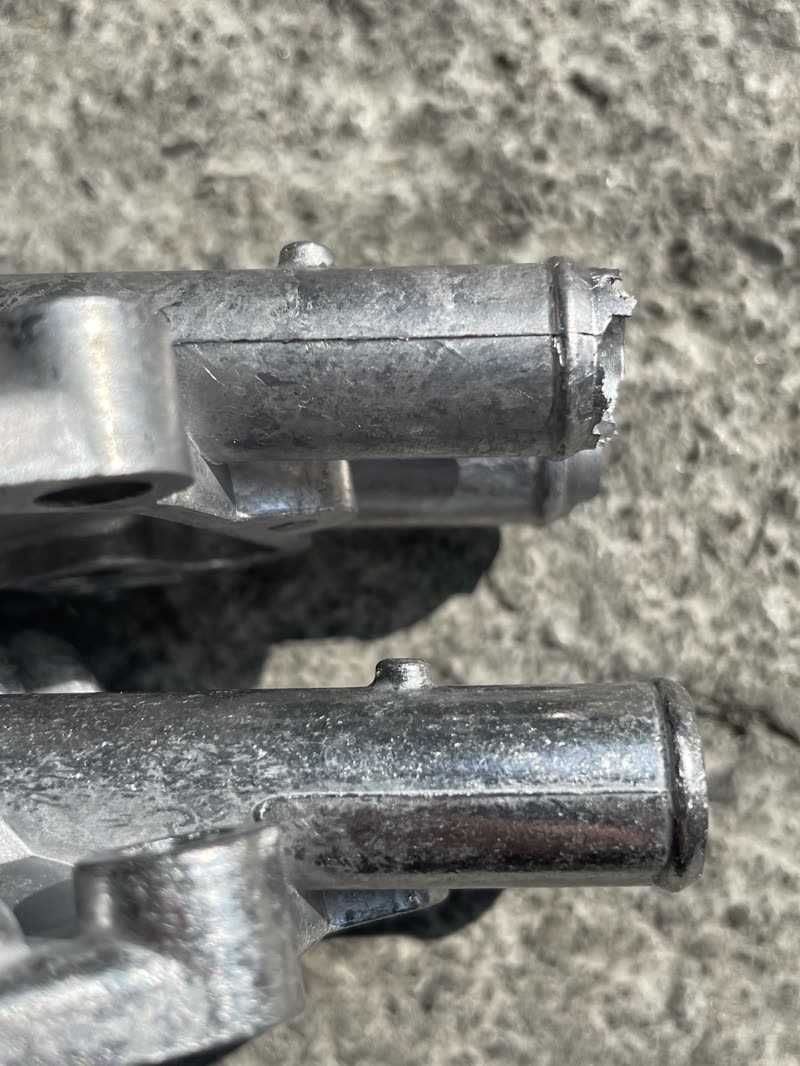
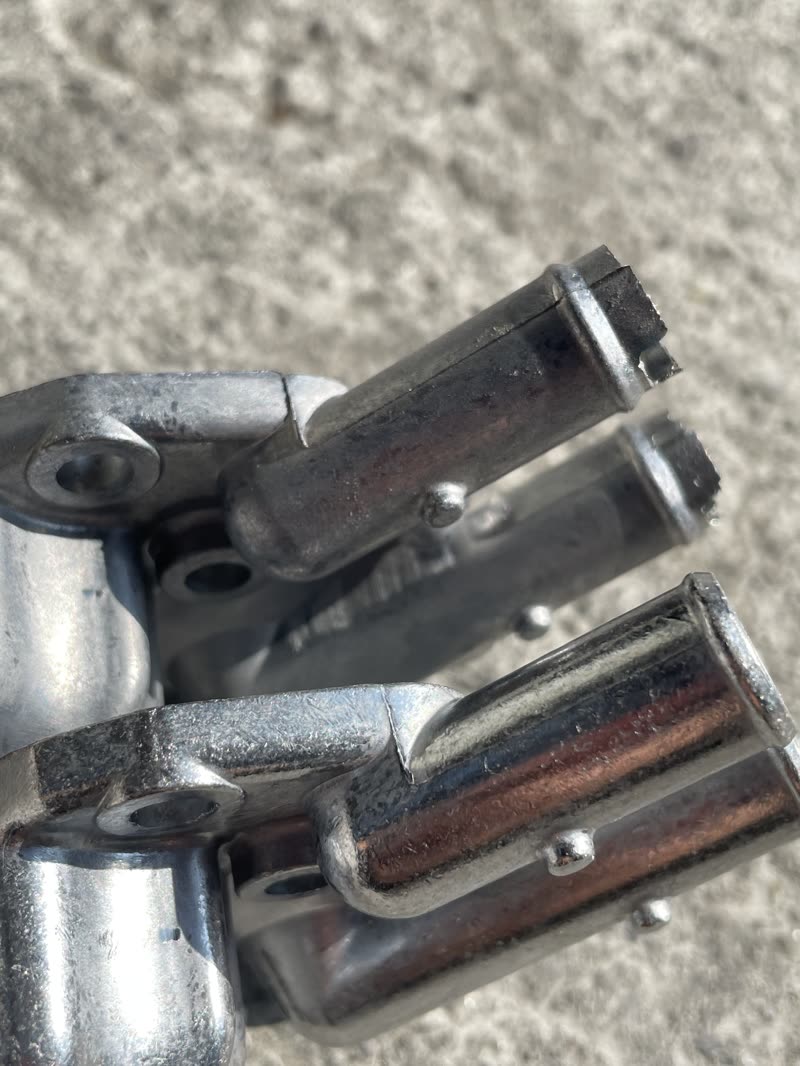
What makes the number spike: mold condition
As a mold wears or gets damaged, it throws more flash — more excess material on every single part. More flash means more deburring time per part. More time per part means higher labor cost across the entire batch.
A mold problem doesn't just show up as casting quality. It inflates your deburring bill directly, on every unit, for as long as the tool stays in that condition.
A mistake I made early on
Right after I joined the family business, customers would bring me samples cast from a brand-new mold and ask for a quote. I didn't yet know how much a mold changes as it wears — more flash, wall thickness drifting off spec, more surface pitting. I quoted off the new-mold sample. Production ran on an aging mold.
Getting a customer to accept a re-quote after that turned out to be much harder than I expected. It's the reason we now ask about mold age and condition before quoting anything, and why we'd rather flag a variable range up front than hand you a clean number that falls apart in month three.
What we do differently
Mold condition, flash risk, and deburring requirements get factored in at the design stage — so the cost is visible before you commit, not discovered halfway through a production run.